

Amazing Animals
An Added Layer of Protection


The Unexpected, Inevitable Milestone
Parents anticipate many milestones in their child’s life. One they might not expect, however, is the inevitable moment when the child says, “I want a puppy.” Or maybe the request is for a kitten, a bunny, a frog, or a fish. What is practically universal is that at some point, if a child is not already living with companion animals, they will ask for a pet.
Whether parents decide to bring a companion animal into their child’s life depends first on the family’s individual situation. Caring properly for pets can be expensive and time consuming. Some animals may present unexpected behavior problems or be annoyingly noisy. Travel decisions can get more complicated.
What Children Learn from Animal Companions
Even more serious, companion animals have a finite life span and losing their pet can be emotionally devastating for a child. The experience can, however, be an opportunity for a child to learn to handle grief. Losing a pet teaches kids to develop coping skills and to depend on their support system when needed.
If a family has space for a pet and their daily routine allows, including a pet in the household can offer various advantages to children.
Studies show that children who grow up with dogs experience less stress both in childhood and adulthood. Kids and pets become comfort partners, learning to give and receive support. Caring for pets fosters empathy and compassion, helping children build trust and form healthy attachments.
Pets have fears, make errors, and each has unique traits. Children learn kindness, acceptance of differences, and forgiveness through these experiences. Caring for pets, which are sentient beings with specific needs, provides children with an opportunity to develop responsibility and reliability.
Extraordinary Animal Companion

When it comes to children with special needs, a unique animal companion may be called for and what such an animal can do is astonishing. The scope of the ways they can help people with disabilities goes well beyond what most people imagine.
First, there is a basic distinction between two types of support animals. Service animals, such as guide dogs, are specifically trained to help their owners and they are allowed in public spaces under the ADA (Americans with Disabilities Act). Assistance animals provide physical or emotional support, and do not have to be trained. In contrast, therapy animals, comfort animals, and emotional support animals (ESAs) provide comfort and companionship, but are not trained for specific tasks. Recognized under the Fair Housing Act (FHA), they may be allowed in campus housing, but don’t have the same access rights as service dogs in public areas.
How important these animals can be is best understood by learning the stories of individual service and support animals.
Casey and Elvis
Eight-year-old Casey had struggled with type 1 diabetes for three years when Elvis, a diabetic alert dog (DAD) came into his life. Managing Casey’s autoimmune disease was a complex, round-the-clock, exhausting, anxiety-provoking, scary job for his parents. Either an extremely low blood glucose range or an above level of blood glucose could swiftly threaten his life. Even the latest, most sophisticated technology for managing type 1 diabetes periodically failed, putting his life in danger. Elvis added the second layer of protection Casey needed.
Because a dog’s sense of smell is far more sensitive than a human’s, enabling them when trained to perceive chemical changes in the bodies of people with type 1 diabetes. Elvis was trained extensively with Casey’s saliva. He can detect an impending or currently out of range blood glucose level even when Casey is across a soccer field or in a swimming pool. At night, he alerts one of Casey’s parents if needed.
Last year Elvis began accompanying Casey to school, which helped Casey in new ways. Now, not only is Elvis keeping him safe, through caring for Elvis while they are away from home, Casey is gaining independence and developing increased dog handling skills. It’s been good for Elvis as well. It has strengthened his bond to Casey, whom he now follows whenever he goes whereas before he looked to Casey’s parents for guidance.
Claira and Soleil
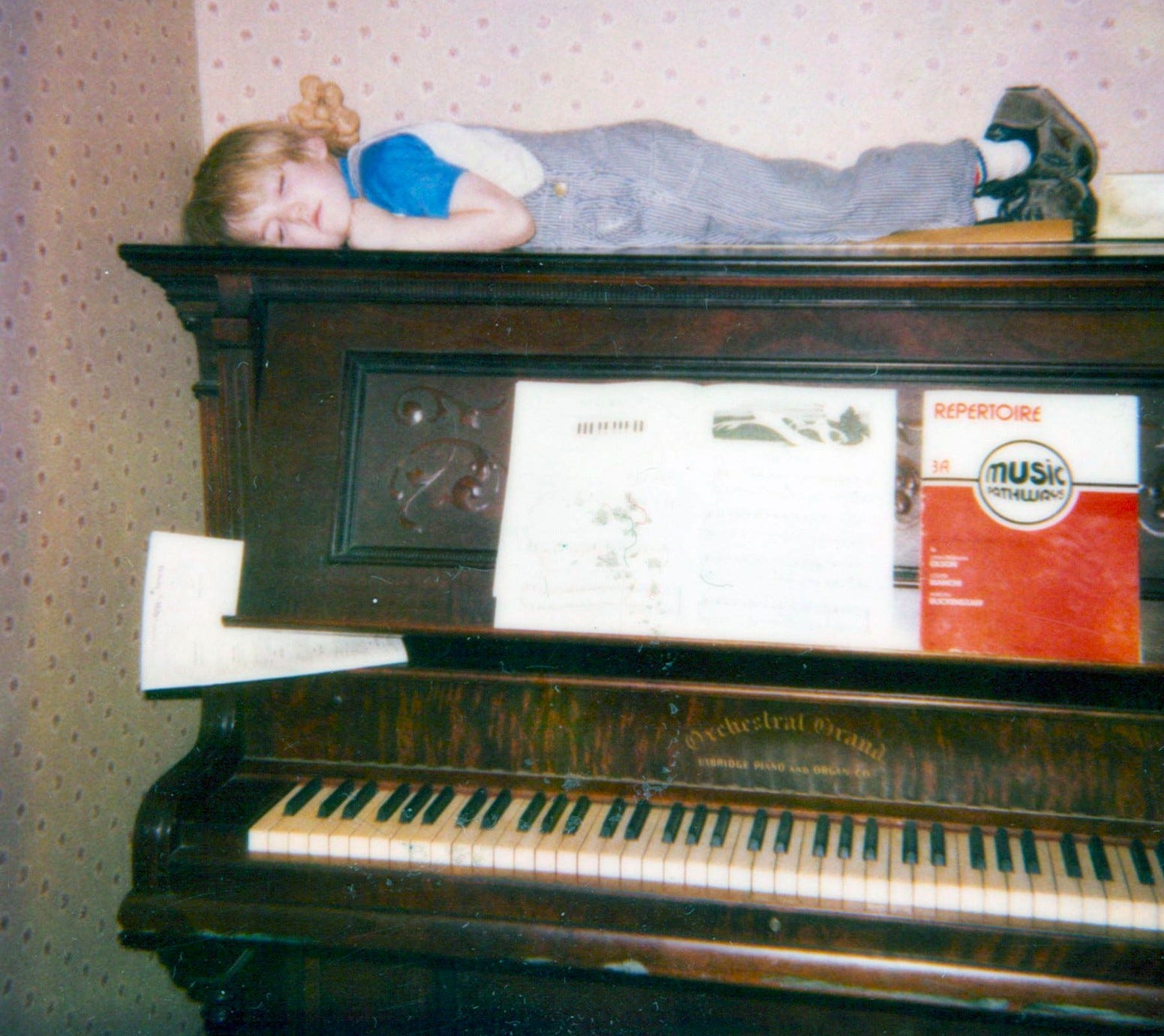
When I read Claira’s story, memories flooded back to me, and I wished there had been a Soleil in our life when our son Johnny was a child. Like Claira, Johnny had autism, and like her he tended to quietly disappear if no one was watching him like a hawk.
Claira’s life merges with Soleil’s after a family outing to a crowded outdoor concert. Her mom’s attention was caught when the mom’s friend waved to her from a few feet away and a minute later when Claira’s mom turned around her daughter had disappeared. She and her husband frantically searched the crowd. I too remember days of frantic searching, and like Claira’s mom I knew the blessed relief when I found my child.
But that mom had a resource I didn’t have forty years ago. She had heard there were dogs trained to work with children with autism. She followed through and found 4 Paws for Ability, which has placed more than 2,000 dogs with children and veterans.
Soleil, a chocolate lab, can search and find Claira by her scent, but he is also trained in “behavior disruption.” He helps her calm down in stressful situations, giving kisses or laying on her lap, sometimes just by being at her side!
Because they need such extensive specialized training, these dogs are costly. So, 4 Paws for Ability also helps families plan fundraisers to raise the money needed for a service dog. Claira’s family was gratified by the generous response of family and friends. Having Soleil come into their family has been a life-changing experience.
Expanding Understanding
They have discovered that not everyone understands that not all service animals are guide dogs for the blind, so they need to educate people. Soleil wears an Autism Assistance patch. More people understand than don’t, however, and today Claira is a happy, little girl whose parents are able to relax and enjoy her more.

Thanks for reading, Marcia
Thanks, Ruthmarie, it was fun to research such an upbeat topic.