

The Ultimate Parent Trap
Balancing the Hopes, Dreams, and Needs of Multiple Siblings

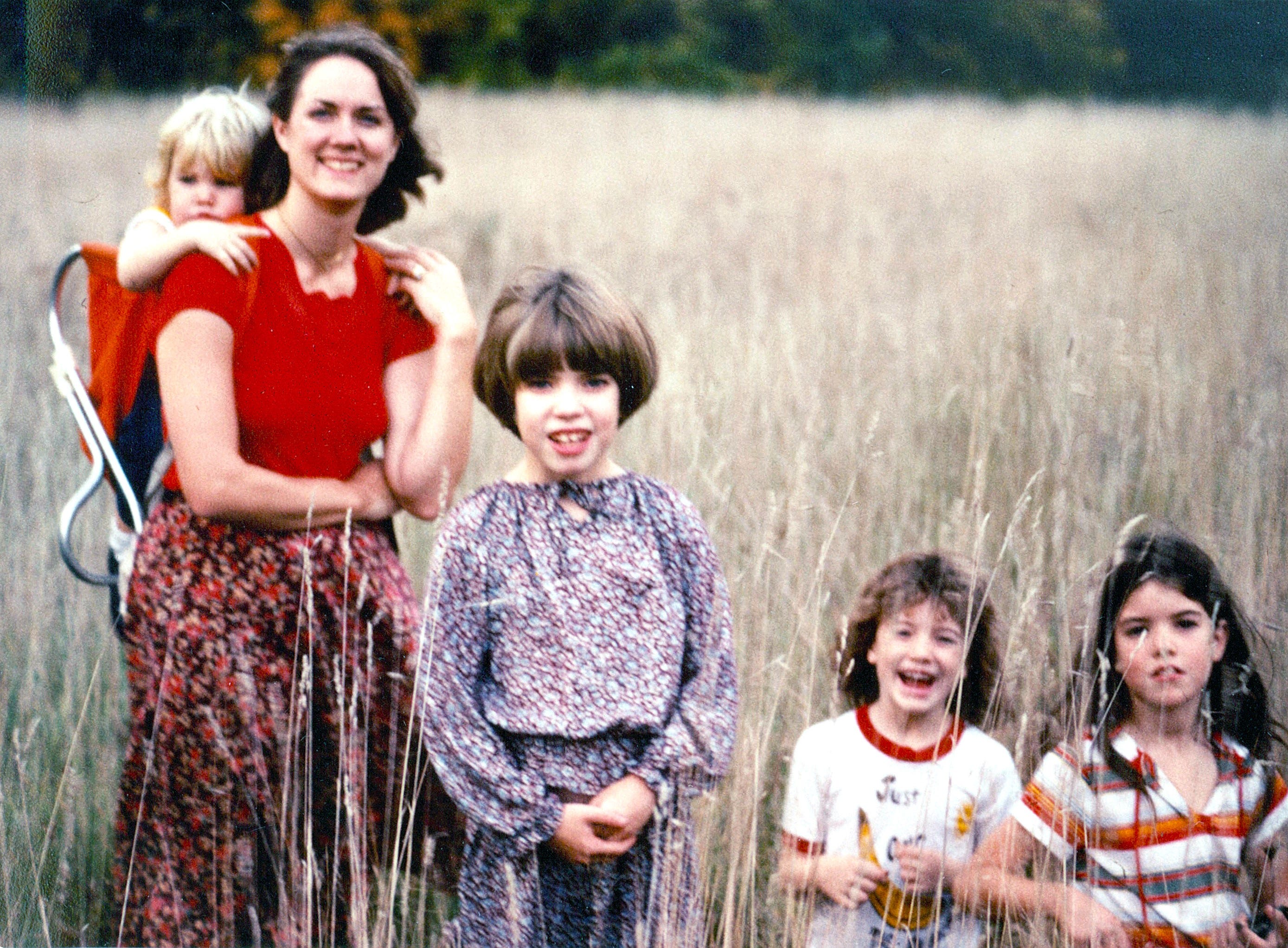
Raising Adults
The neologism, “adulting” is a popular word these days. It’s our new way of saying “grow up.” As much as parents at some time or another might wish their children could be little forever, we understand that our main task is to guide them into mature adulthood. We hope to accomplish this with help from our surrounding culture but often cannot take that for granted.
It could be stated that our first obligation is to love them. I, for one, however, would hesitate to place parental love in the category of duty. Rather love is the essence of the relationship between a parent and their child. Guiding them into adulthood is an important act of love. It could even be claimed that our love falls short if we bind our children in an ongoing dependency that inhibits their ability to become adults.
The Hope: They All Grow Up
I state this boldly, even though two of our children, Kristy and Johnny, had profound intellectual disabilities, because those challenges did not define them. Adulthood for them looked different from it did for their more typical siblings, Carrie and Betsy, but our offspring with special challenges did not remain lifelong children. They “grew up” and it was their father’s and my task to help shepherd them into the best adulthood they could achieve.
The High Balance Act of the Happy Circus
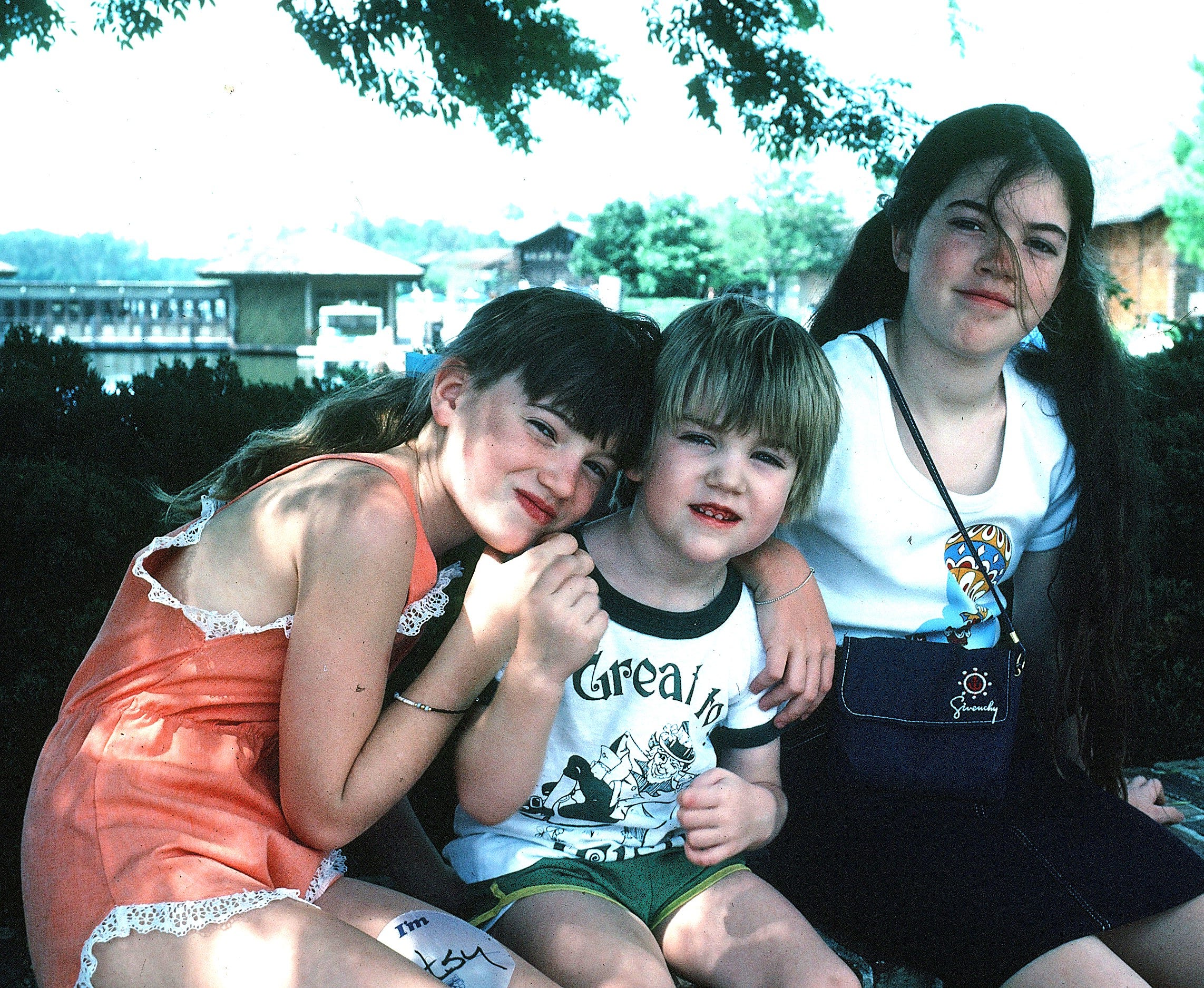
Thus, for our family, defining “adulting” was complex. We had to consider not only each child’s unique personality but also their vastly different physical, developmental, and emotional skill sets. Like all families, we had to pull this off within the context of a caring, tight-knit community that shared a common abode and a shared pattern of daily, weekly, monthly living. Could we possibly see to everyone’s needs and carry out all the children’s hopes?
Can any family do this? Never-at least not perfectly. My husband and I, however, gave it our best shot. We started with the premise that, although Kristy and Johnny’s needs might be more time-consuming than those of their sisters, our family life could not completely center around those multiple, complex needs.
Forget about “Fair”
We were hell bent on giving each child as much of what he or she needed as we possibly could but never thought that meant any one of them warranted 100% of our financial or emotional resources. Being a good-enough parent isn’t like being a fair coach in a ball game. “It isn’t fair” doesn’t translate into real life.
A recently released study of the well-being of the siblings of children with disabilities by several developmental family psychologists revealed their findings, culled from over sixty studies done over twenty-five years. The reviewed studies yielded inconsistent results. The overall wellbeing of the siblings of children with disabilities they found is influenced by so many differing demographic factors that only one clear conclusion appeared.
“The lower responsibilities and duties because of the disability of their brother/sister (sibling-focused parentification), the high well-being and emotional/behavioral adjustment via the mediation of a high-quality sibling relationship.”
There were no such studies available when our children were growing up, but for us, one thing was clear. They were all children growing into adults. But until they crossed that threshold, we were the adults in the family, the ones responsible for setting the boundaries and taking care of the “youngsters.”

We’re in This Together
The same study provided evidence that low levels of sibling-focused parentification promoted a positive attitude toward the sibling with a disability, resulting in good, warm, and satisfying relationships characterized by siblings spending time together and taking part in various activities. Researchers noted that those feelings of warmth and closeness appeared to spread to other family members, such as parents and other adults.
If you read my memoir (to be published November, 2026), you will read of some humorous and trying events when integrating Johnny into events at Carrie and Betsy’s grade school will give you the giggles. There are, however, many more stories of heartwarming times when Carrie and Betsy went all out to make an occasion at Misericordia, Kristy and Johnny’s school, a success.
Separate Vacations & Celebrations
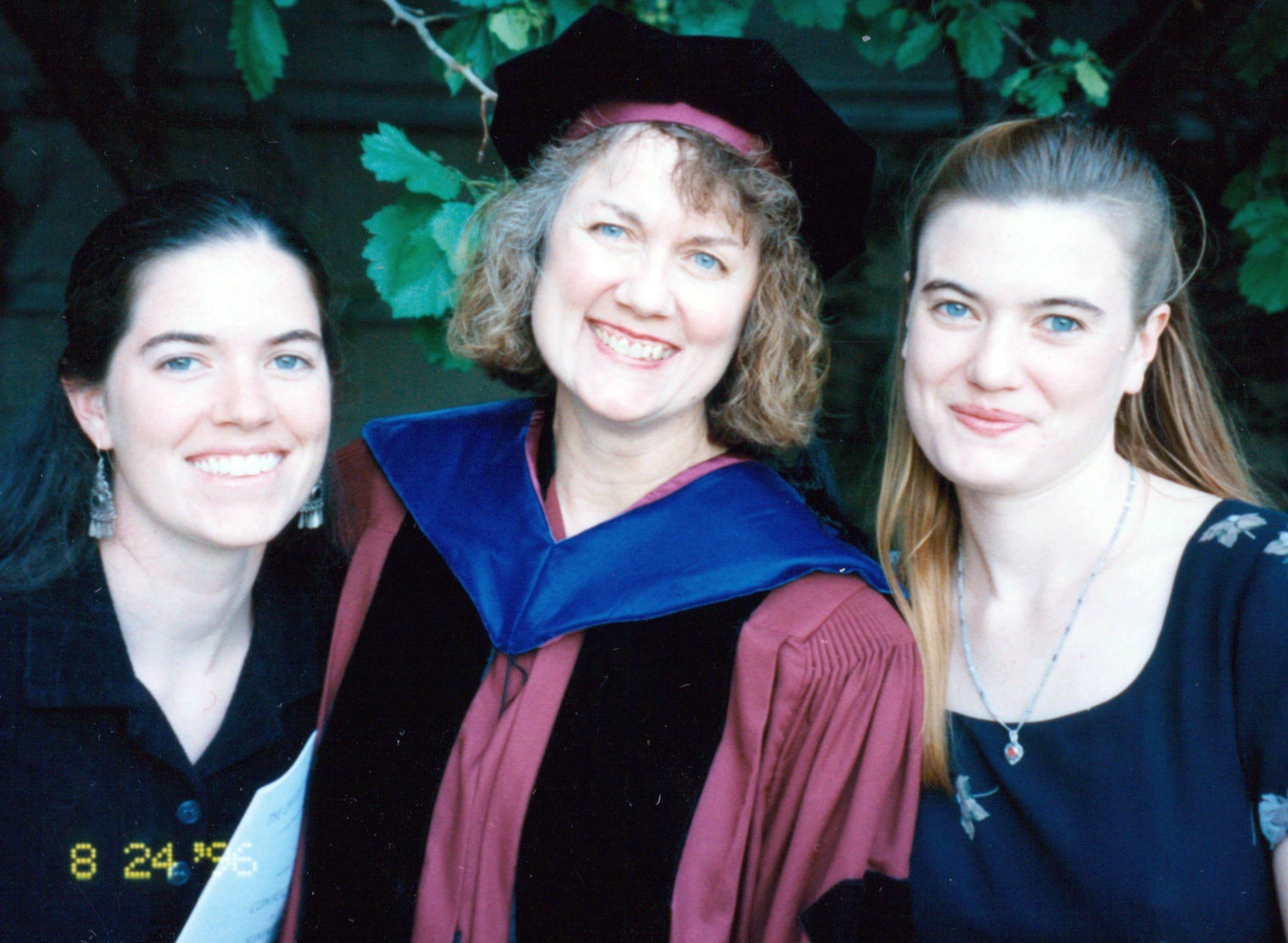
On the route to our empty nest, we took many vacations. Sometimes, we took Carrie and Betsy on trips that would have been impossible for Kristy or Johnny to join. We could also take Johnny on journeys that we loved but would have bored his teenage sisters to tears. Kristy loved going to museums long after her sisters lost interest in them. While Johnny loved all food, Carrie and Betsy dedicated themselves to vegetarianism. So, he’s the one who always got the leftover Duo’s sausage pizza we brought home from date night
.
The Nest Is Never Truly Empty
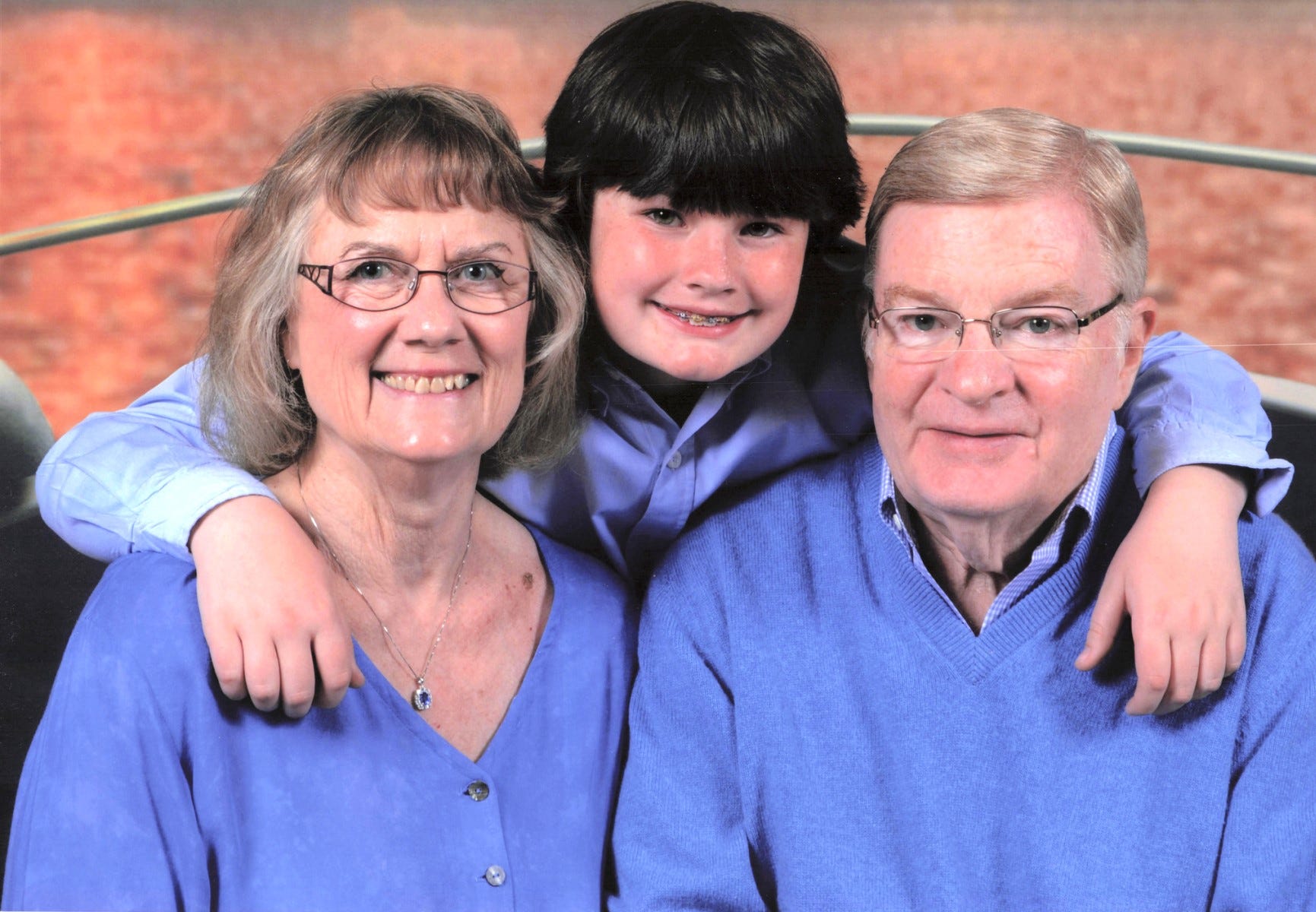
One time that didn’t make the memoir happened when our kids had made it into adulthood. Betsy’s son Bryce at seven years old volunteered for the Misericordia annual Family Fest. He took on the job of pouring free lemonade for guests. Because it was hot, he had many repeat visitors. So, he grabbed a marker and wrote people’s names on the cups as he handed them out. He added being ecologically aware to his volunteer activity of the day.
Although none of our four children shares our home or our daily life during our sunset years, our “nest” is far from empty because it’s filled with wonderful memories. And every day, someone in the family adds another wonderful memory to the basket.
Thank you, Tim.
Judy, I love your sage advice, your retrospective and the great family pictures!
Looking forward to reading your memoir.